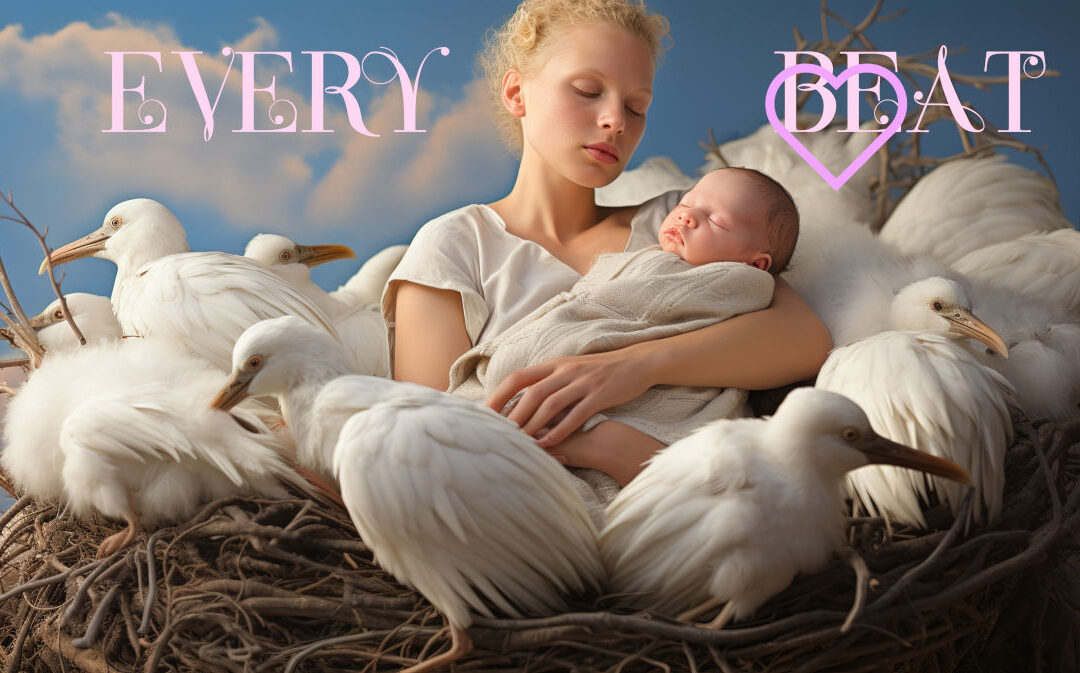
The Evolution of Motherhood in the 21st Century
Motherhood has undergone a profound transformation in the 21st century, shaped by rapid advancements in technology, significant shifts in societal norms, and evolving economic landscapes. These changes have redefined what it means to be a mother, offering new challenges and opportunities while also reshaping the traditional paradigm of parenting.
Technological Impact
One of the most significant drivers of change has been technology. The digital age has brought about new platforms for sharing knowledge and connecting with others, which has been particularly beneficial for mothers. Online communities, parenting blogs, and social media groups have emerged as vital resources for mothers seeking advice, support, and a sense of community. These platforms allow for the sharing of experiences and tips, ranging from baby care to balancing work and home life, making motherhood less isolated and more informed.
Moreover, technology has also introduced new tools that aid mothers in everyday tasks. Smartphones apps can track feeding schedules, sleep patterns, and developmental milestones of babies. Wearable devices monitor health metrics, not just for fitness-conscious individuals but also for monitoring infants and young children. These tools empower mothers with information and functionalities that were not available in previous generations.
Shifting Societal Norms
Societal norms regarding motherhood have also shifted dramatically. There has been a growing recognition of the diverse ways that women approach motherhood. The traditional image of a mother as a primary caregiver who sacrifices her career is increasingly seen as one of many valid choices rather than the standard. Today, many mothers pursue full-time careers, and there is greater support for, and recognition of, the need for shared parenting responsibilities.
Furthermore, the definition of family itself is evolving. Single-parent households, same-sex parents, and families where parents share roles equitably are more visible and supported than ever. This diversity in family structures challenges the conventional norms and provides a broader understanding of what motherhood can entail.
Economic Changes
The economic landscape has also influenced modern motherhood. In many parts of the world, economic necessity has made it common for mothers to work outside the home. This shift has required mothers to balance career and family in ways that their predecessors might not have. The rise of flexible work arrangements, telecommuting, and job-sharing opportunities has facilitated this balance, though not without creating new challenges.
Economic pressures can also heighten stress levels among mothers, as they navigate the costs of childcare, education, and healthcare. Governments and corporations have begun to recognize these challenges, leading to policies aimed at supporting working mothers, such as paid maternity leave, subsidized childcare, and protections against workplace discrimination.
Personal Stories and Cultural Differences
The evolution of motherhood is not just a tale of technology and changing norms but also deeply personal stories of individual mothers navigating these shifts. For example, a mother in a metropolitan city might use all the latest apps to manage her schedule and keep track of her child’s developmental milestones, while a mother in a rural area might rely more on traditional methods and community support.
Cultural differences also play a critical role in shaping the experience of motherhood. In some cultures, extended family living is common, providing mothers with a robust support network. In others, nuclear families are the norm, which can isolate mothers but also foster a strong sense of independence and self-reliance.
The Future of Motherhood
Looking forward, the evolution of motherhood is likely to continue at an accelerated pace. Issues such as climate change, technological advancements, and global sociopolitical shifts will further influence how motherhood is experienced and perceived. The role of AI and robotics in childcare and education, the impact of global movements for women’s rights, and the increasing interconnectivity of the world suggest that the future of motherhood will be as dynamic as its present.
Summation
The 21st century has seen a redefinition of motherhood, influenced by technology, changing societal norms, and economic factors. As mothers navigate these changes, they are supported by an increasing array of tools and a more flexible understanding of parenting roles. The evolution of motherhood reflects broader shifts in society, highlighting the adaptability and resilience of mothers worldwide. This transformation offers a glimpse into the future, promising further innovations and shifts that will continue to shape the experience of motherhood for generations to come.
The Evolution of My Mother’s Embodiment of Motherhood
In the heart of my mother resides an unconditional love, a force of nature that intertwines her essence with the very fabric of existence. Her Molokule, the essence of her being, infuses every moment with warmth and tenderness. Through her DNA, she passes down a legacy of love, weaving the tapestry of our family’s story with threads of devotion and resilience. Like oxygen, her love breathes life into my soul, nurturing and guiding me through life’s journey.
In her embrace, I find solace, strength, and unwavering support. Through laughter and tears, triumphs and trials, her love remains a constant, an unbreakable bond that transcends time and space. As I celebrate Mother’s Day, I honor the extraordinary woman who has shaped my life with her love. Thank you, Mom, for being my rock, my guiding light, and my source of endless love. Happy Mother’s Day!
The Nurturing
Unconditional love, often deemed the purest form of affection, transcends barriers, intertwining the very essence of existence with the intricacies of human emotion. Within the sanctum of maternal love, this ethereal bond finds its most profound manifestation, where the essence of a mother’s Molokule, the blueprint of her DNA, and the life-giving force of oxygen converge in an unyielding embrace.
In the womb, where life’s symphony orchestrates its initial chords, a mother’s love permeates every facet of existence. It begins with the Molokule, a fusion of molecules bearing the unique signature of her being. As her child’s first home, the womb becomes a sanctuary where this Molokule of maternal essence nurtures life, sculpting the very fabric of existence with love’s tender touch. Within this cradle of creation, the strands of DNA, passed down through generations, weave tales of ancestry and heritage, infusing the unborn with a legacy of love that stretches across time immemorial.
From the moment of birth, oxygen breathes life into the infant’s lungs, its invisible embrace a testament to the universal dance of existence. In each inhalation, a mother’s love mingles with the oxygen-rich air, infusing the child with vitality and warmth. With each beat of the heart, the rhythm of love echoes through the chambers of the soul, binding mother, and child in an eternal embrace.
As the child grows, the tapestry of maternal love unfolds with each passing moment. Through laughter and tears, triumphs and trials, a mother’s love remains steadfast and unwavering, an anchor in the tempest of life’s journey. In moments of joy, her love dances upon the wind, a melody of pure bliss that resonates with the heartbeat of the universe. In moments of sorrow, her love becomes a beacon of hope, guiding her child through the darkest of nights.
Through it all, the essence of the mother’s Molokule, intertwined with the strands of DNA and the breath of oxygen, forms the very foundation of unconditional love. It is a love that knows no bounds, transcending time, and space, encompassing the entirety of existence in its boundless embrace. It is a love that endures, unyielding in the face of adversity, unwavering in its devotion.
In the embrace of a mother’s love, the mysteries of life find solace, and the complexities of existence unravel into simplicity. For within the sanctuary of maternal affection, the essence of being finds its truest expression, woven into the very fabric of the universe itself. And in this eternal dance of love, the mother’s Molokule, DNA, and oxygen converge in a symphony of unconditional love, echoing through the ages for all eternity.